Impact
How Your Support Shapes Joyland
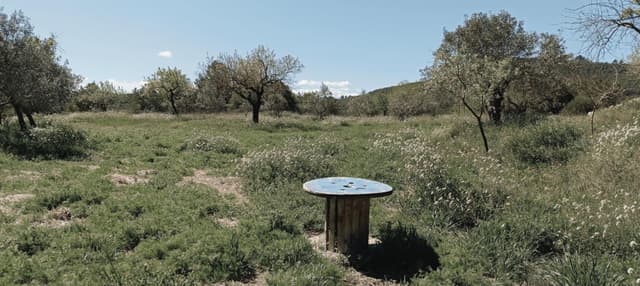
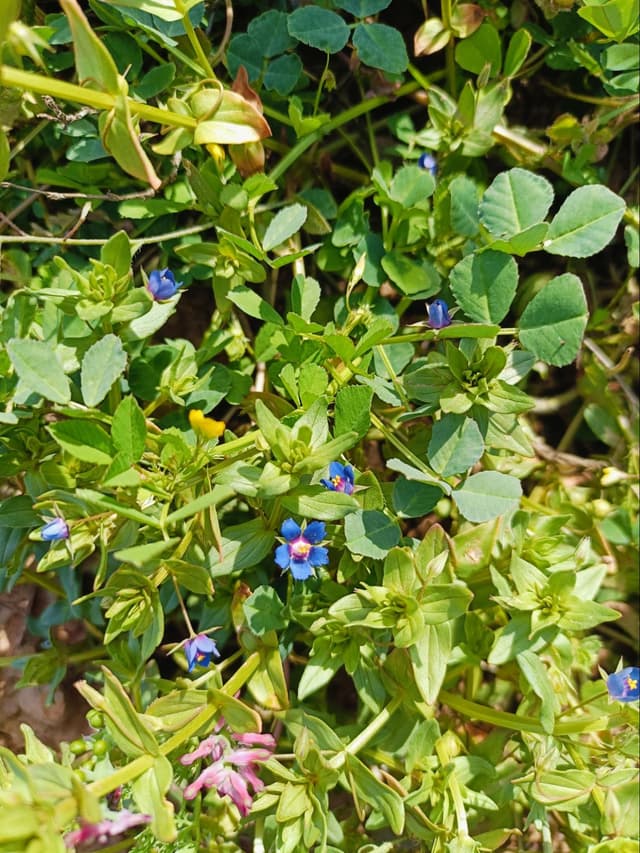
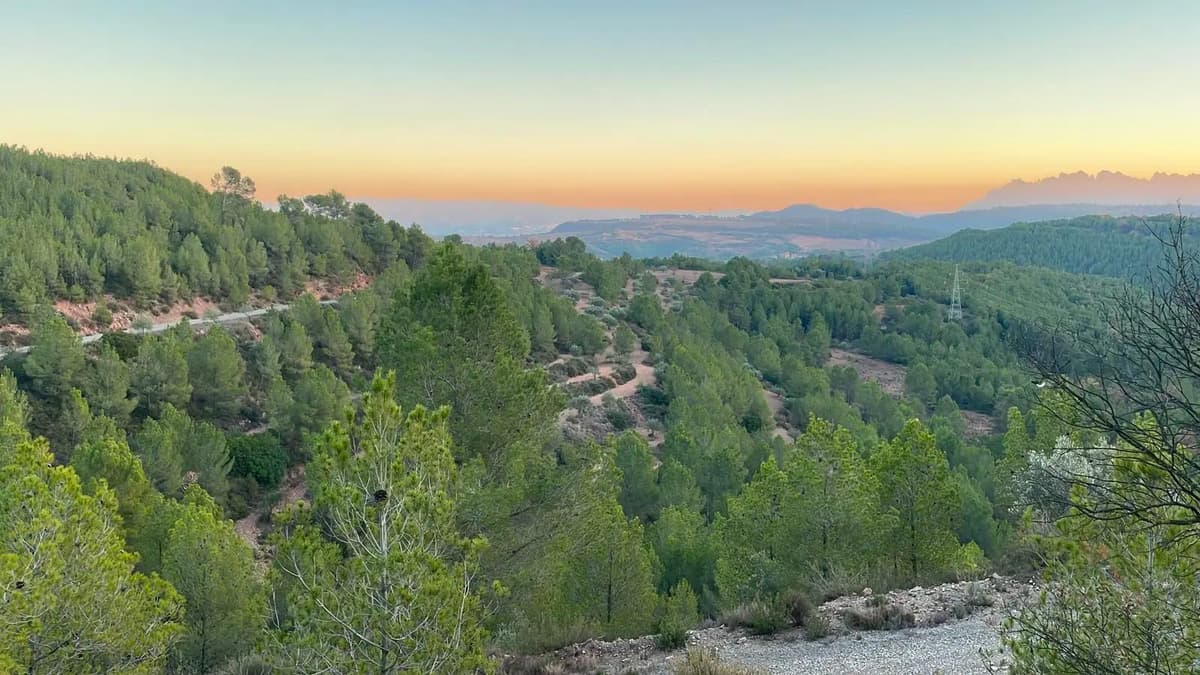
Joyland demonstrates what becomes possible when nature is given space to establish on its own strength, building resilience over time. What was bare clay recently is now building a living groundcover, growing denser by the season. Flowers rise and return each year. Insects move through the grove and grow bigger communities. Summer hums with crickets throughout the day, while mornings and evenings bring softer light, humidity, and the orchestra of frogs. Every morning you wake up at the land with birdsongs; winter arrives quietly, wrapped in mist, with rosemary and calendula still flowering well into January.
Each season leaves a visible trace — in soil texture, plant diversity, moisture retention, and the way the land holds life, sprouting towards abundance.
Natural Succession in Motion
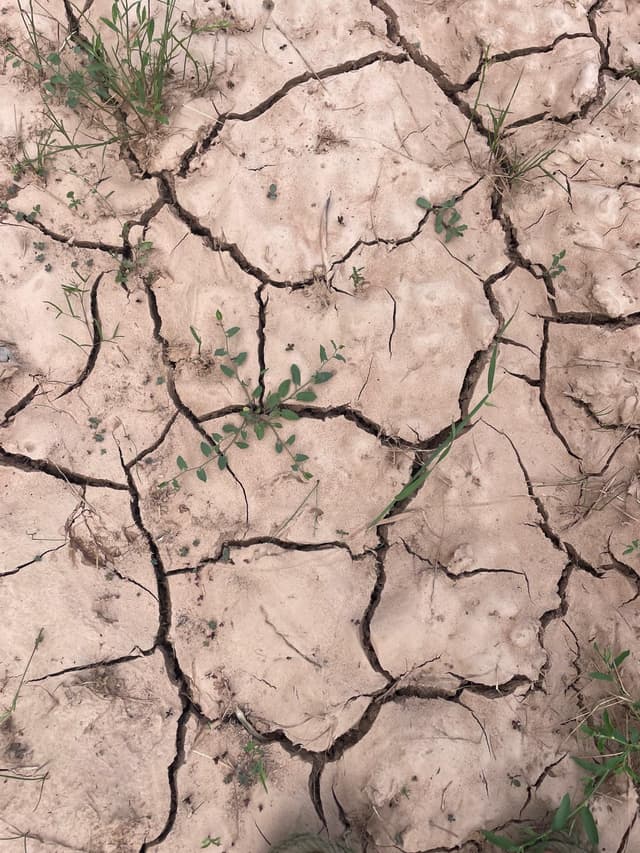
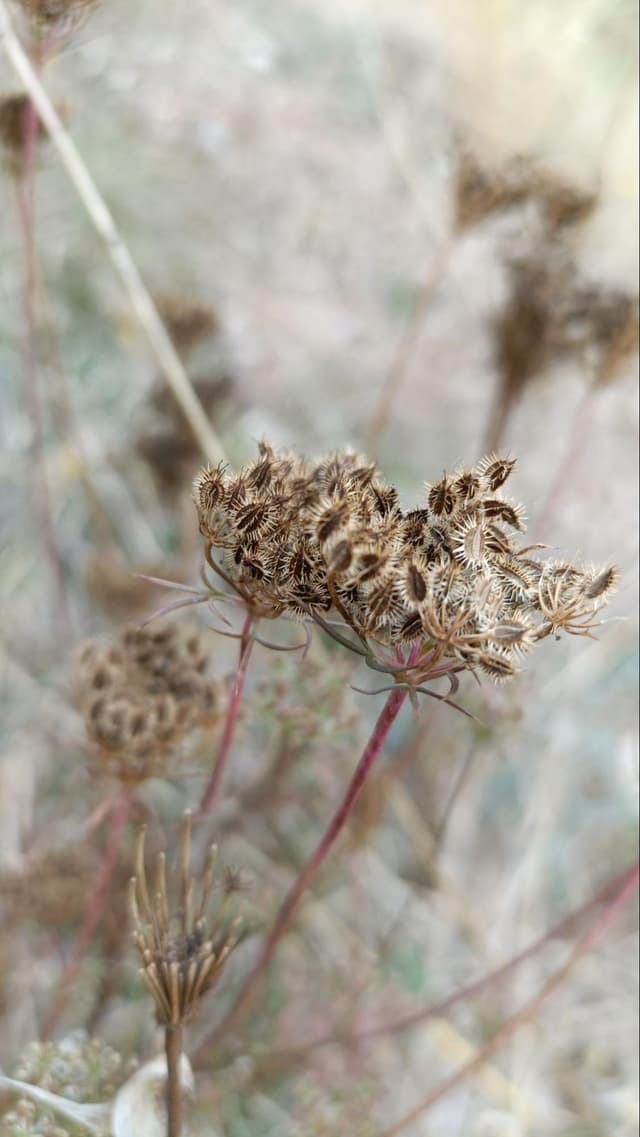
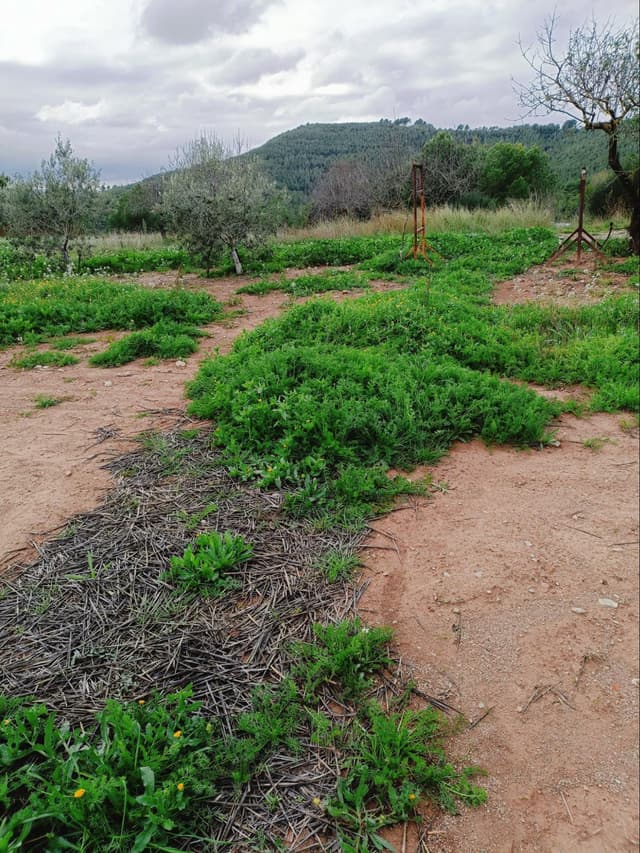
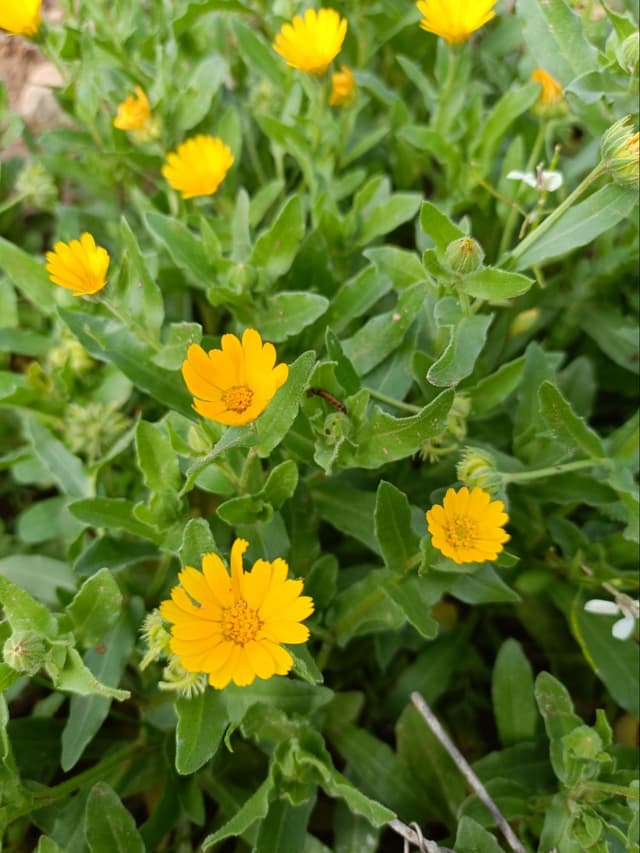
Succession accelerated quickly once space and support were present.
Organic matter remained on the land. Hay was spread in selected areas. Pioneer plants arrived first — amaranth, thistles, rockets, bur clover — followed by fennel, wild carrots, and other self-seeding species. Hay-supported areas produced abundant calendula and chamomile. Cooler, shaded zones welcomed lamiums and perennial clovers, laying foundations for long-term groundcover.
Over the past year, a wide range of seeds were introduced to expand diversity: oregano, borage, wild sages, cornflower, poppies, St John’s wort, valerian, and more. Each spring reveals what the land chooses to carry forward.
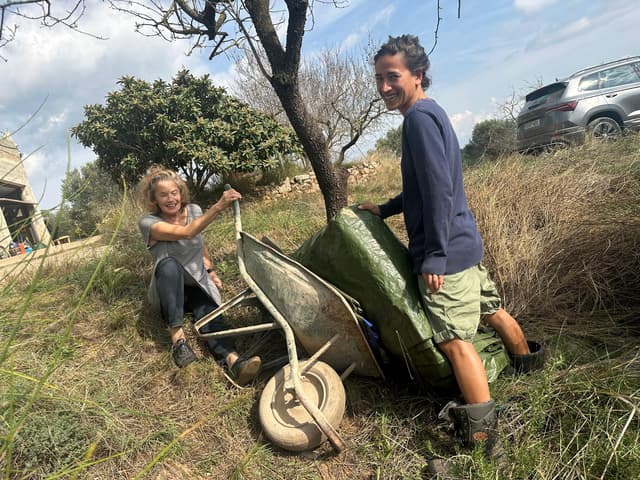
A compost heap tailored to olive tree needs now returns nutrients to the soil in a slow, circular system.
Succession here unfolds through plants, roots, and soil — building structure and fertility over time.
Groundcover, Soil Health & Water Retention
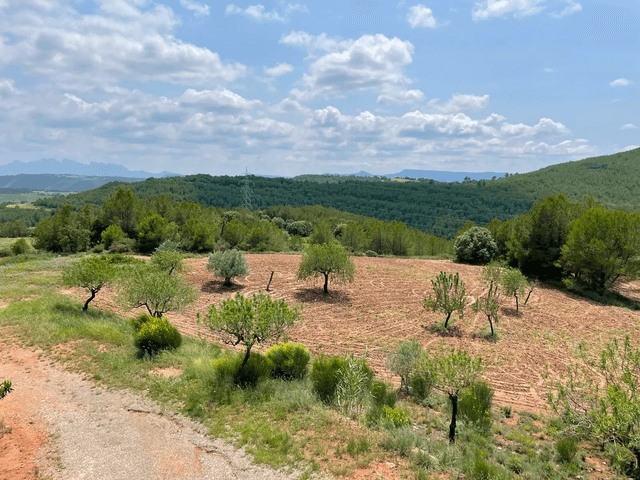
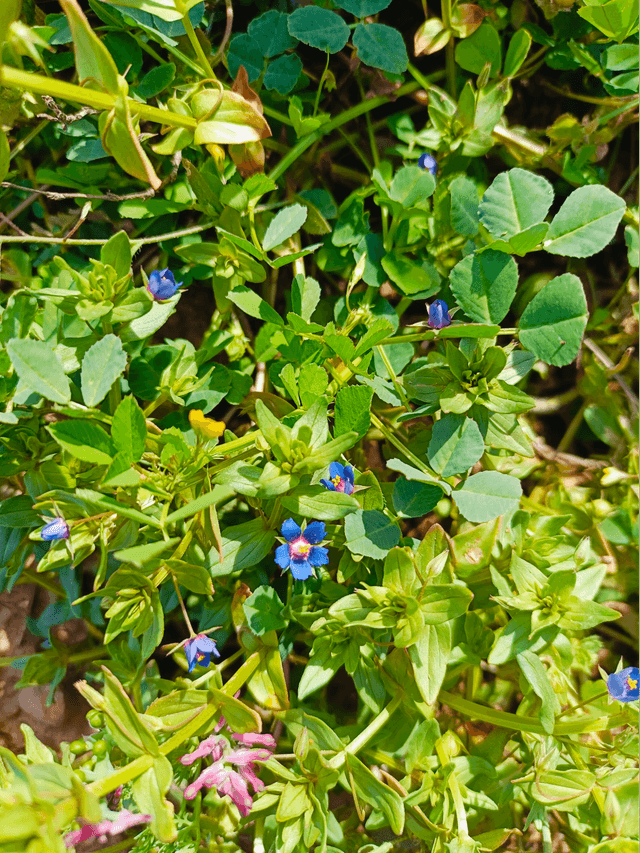
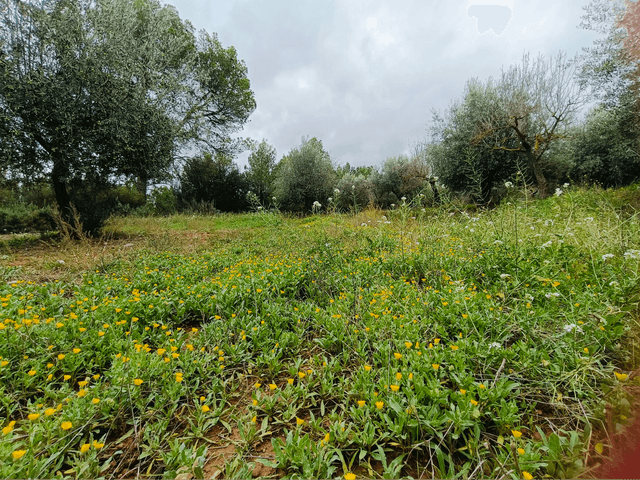
Groundcover reshapes the land from the ground up.
Living cover allows water to penetrate deeper into clay soil, supports organic matter buildup, and encourages microbial and bacterial life, while attracting beneficial biodiversity. Roots move freely through soil that becomes softer and more structured over time.
Established olive and almond trees benefit directly from this process. As plants complete their life cycle, they return organic matter to the soil, strengthening fertility year after year.
Biodiversity Returning
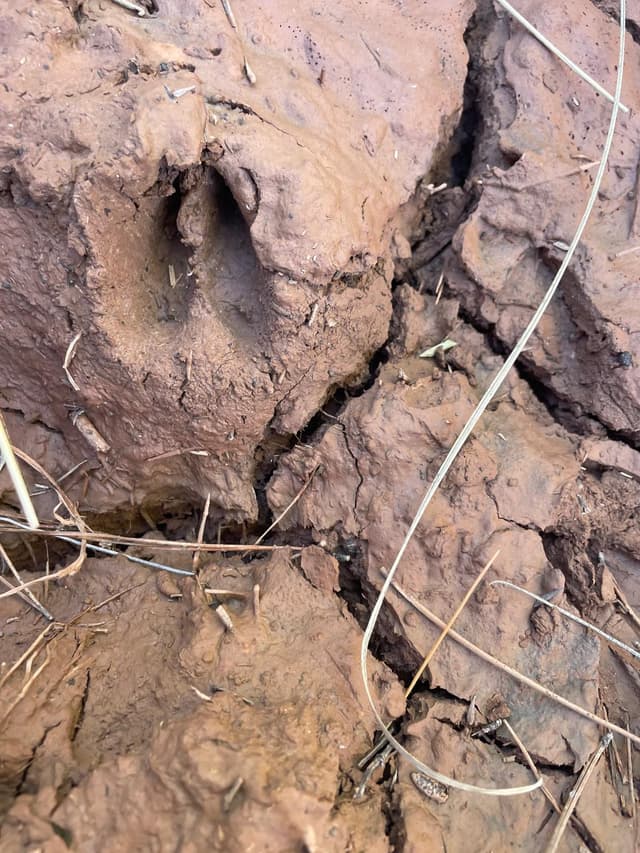
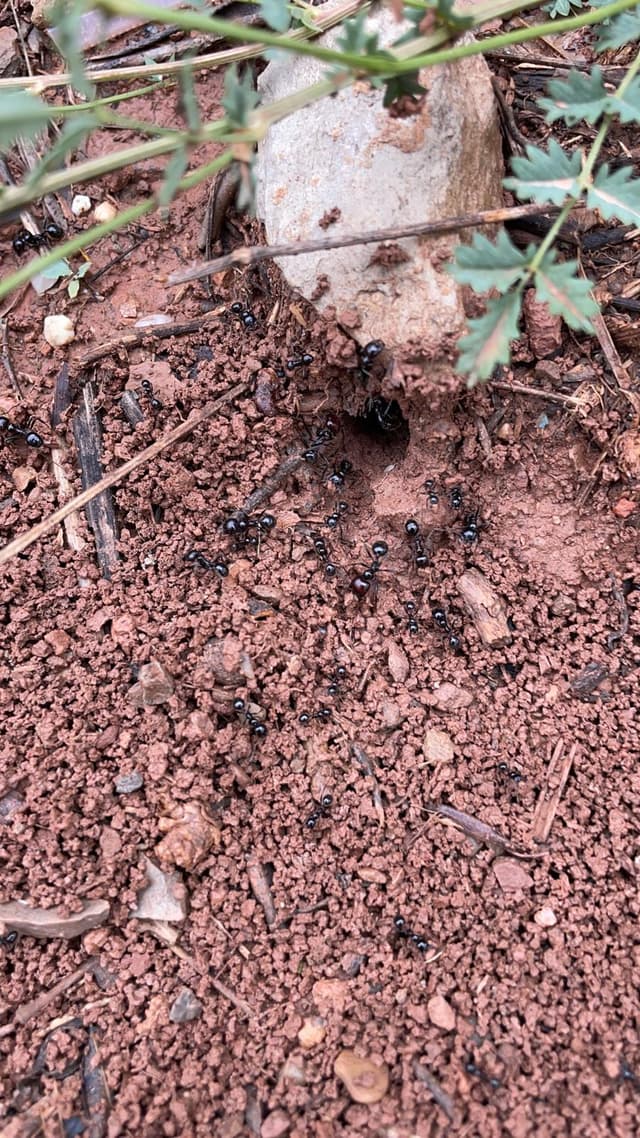
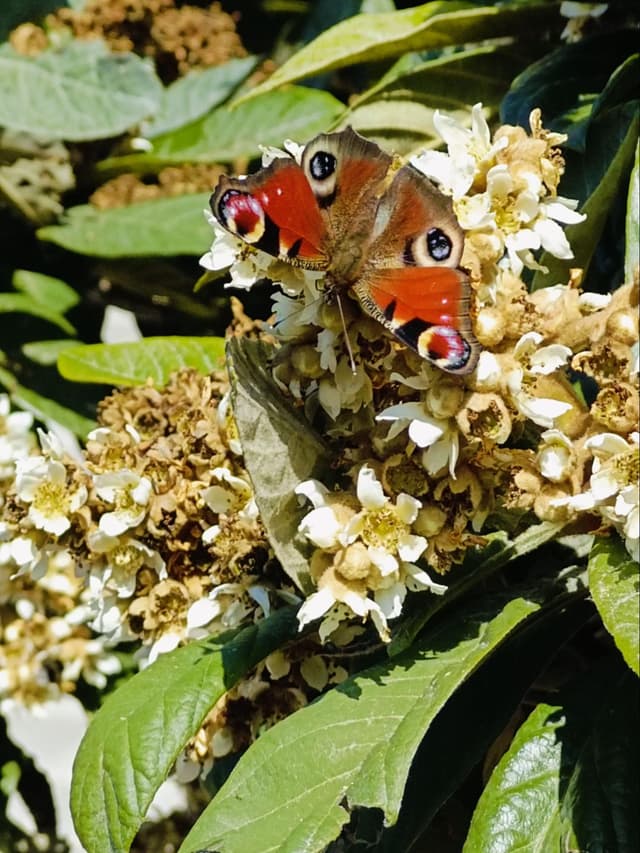
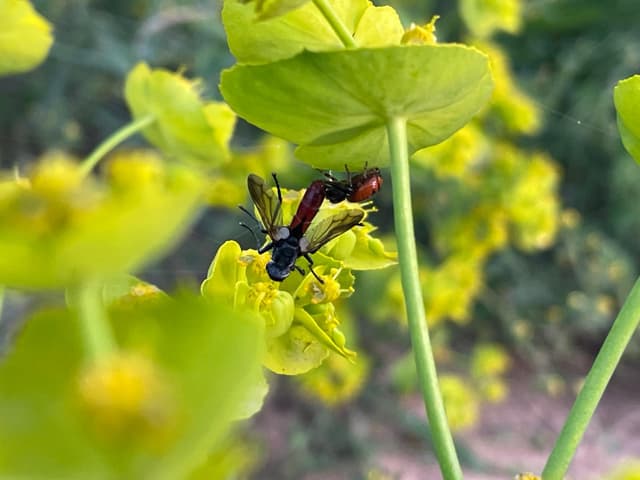
As habitat strengthens, animal life responds.
Ants, beetles, bees, wasps, and butterflies shape daily rhythms in the grove. Ants garden continuously — moving seeds, aerating soil, and improving water infiltration. Pollinators concentrate around flowering periods, creating dense moments of activity.
Birds, mammals, and reptiles move freely through the unfenced land. Deer, hare, foxes, wild boar, and jackals contribute to soil structure and seed dispersal. Lizards and snakes warm themselves on stone terraces.
Biodiversity emerges as a response to shelter, food, and continuity.
Trees, rhythm, and care
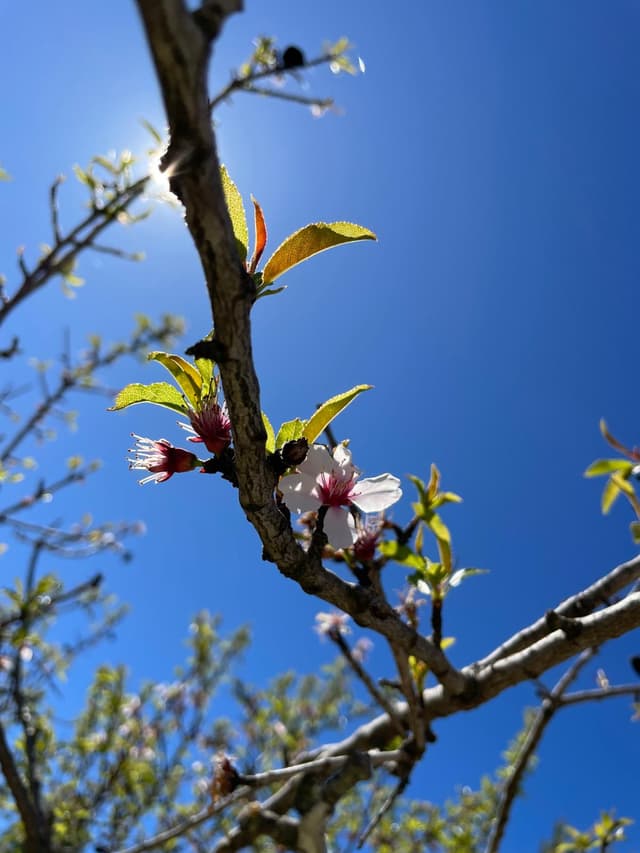
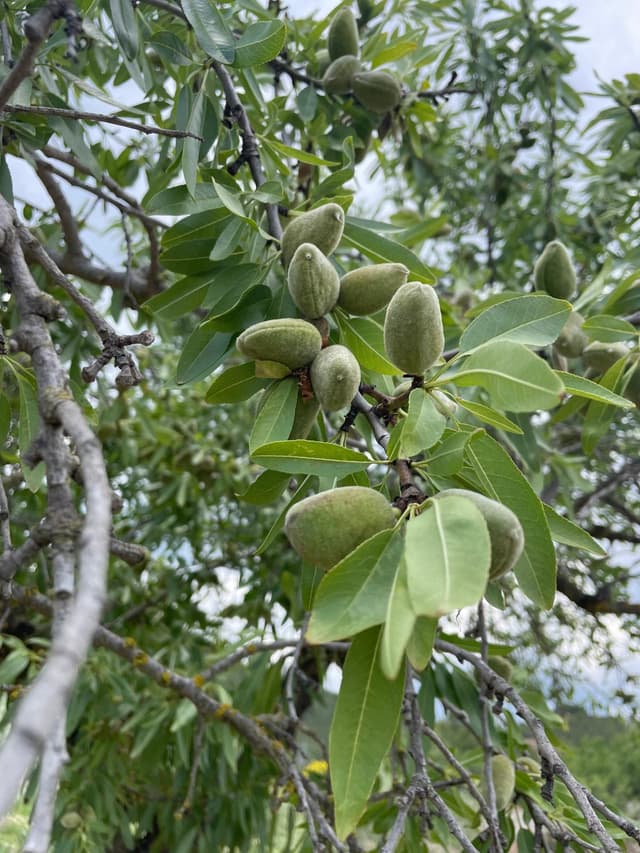
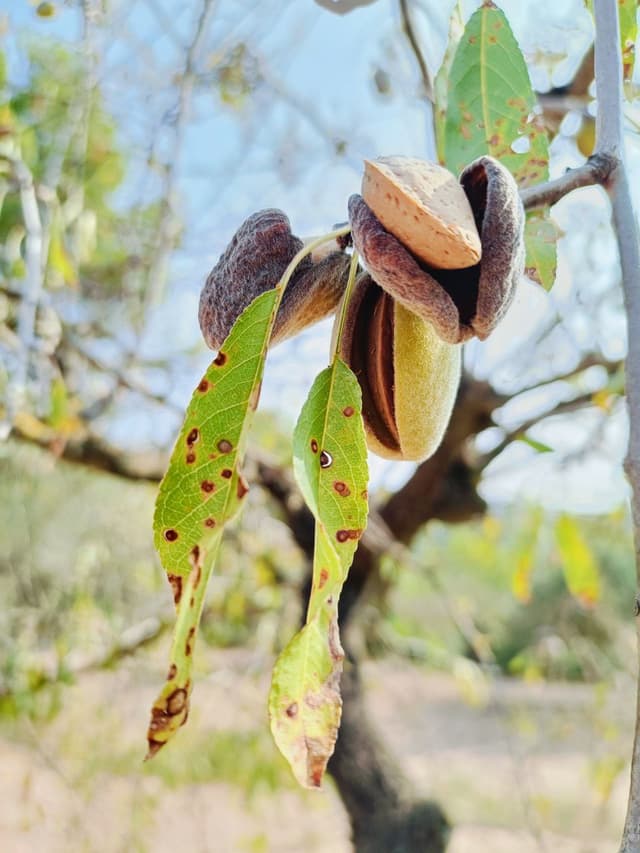
Your support allows trees to be cared for individually.
Each tree is observed and tended according to its rhythm — balancing canopy, shade, airflow, and long-term health. Olive trees thrive with layered protection, while almond trees receive adjusted care as groundcover strengthens across the land.
Some years focus on fruit, others on growth and recovery. Stewardship adapts continuously, guided by what the trees communicate.
Harvesting at Human Scale
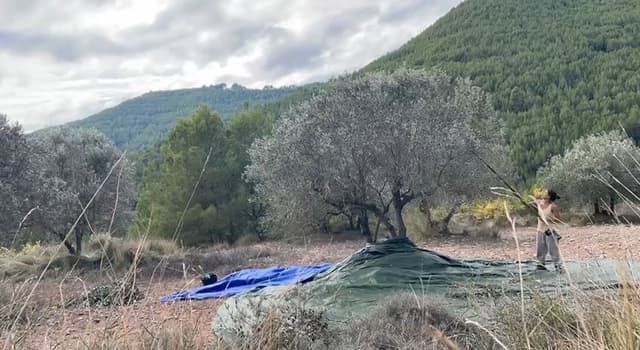
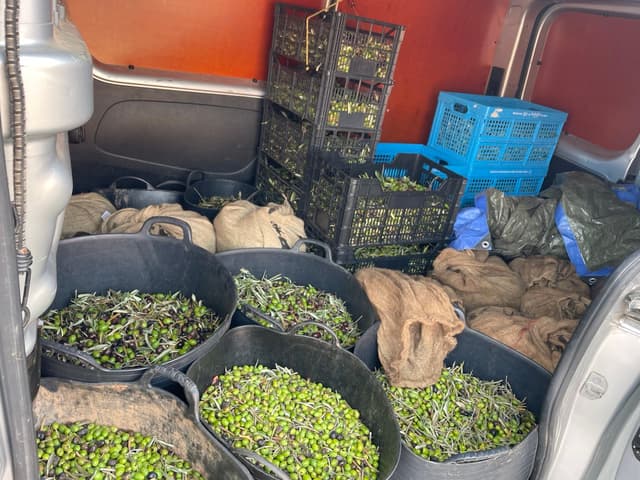
Harvesting reflects the size and nature of the grove.
Smaller trees are harvested by hand. Larger trees are worked with manual or small electric tools. Harvested olives move immediately into shaded storage, layered carefully, and transported to the mill within a narrow time window.
Multiple passes support the quality and logistics of a small grove. Small-batch production keeps attention present at every step — from tree to pressing.
Fresh Unfiltered Oil
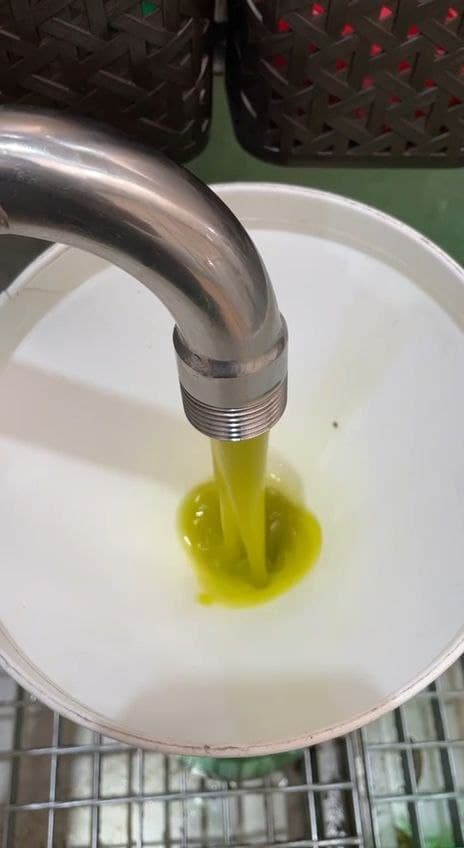
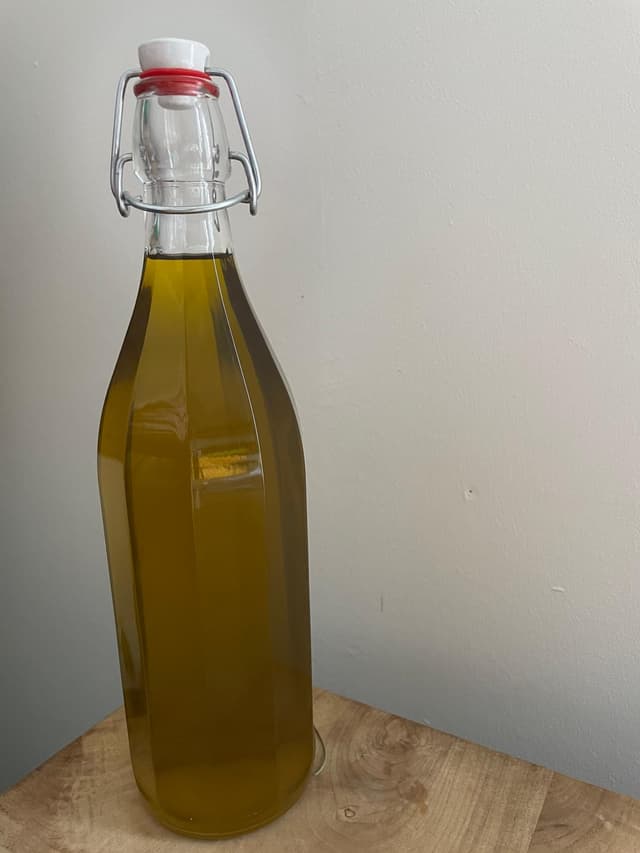
Joyland olive oil is pressed fresh and left unfiltered.
This preserves the olive’s active compounds — polyphenols, antioxidants, and aromatic elements — resulting in a vibrant, expressive oil shaped by the harvest moment. Time is used carefully, allowing quality to remain intact.
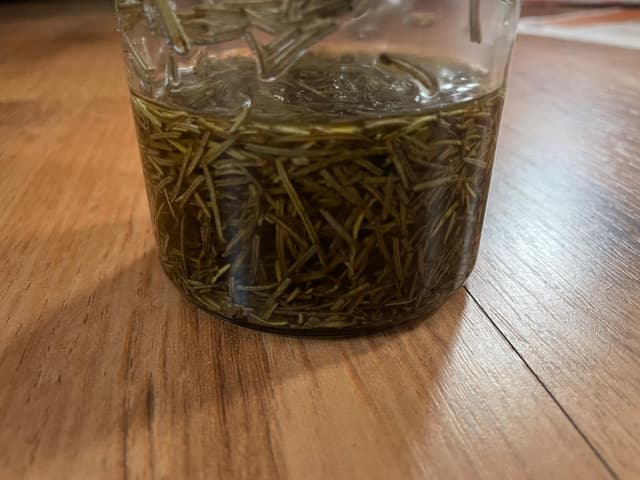
Patience extends beyond oil into infusions, curing, and product making across the land.
Where Your Contribution Goes
Tree adoption directly supports:
- Tree care, pruning, and observation
- Manual harvesting and soil-friendly tools
- Seeds, compost, and regenerative experiments
- Artisanal giftboxes shaped by the land’s offerings (subject to seasonal availability)
- Transport connecting grove and city
- Lab testing for product quality and ecological insight
- Water support when trees need it
- Time for field observation and planning
Joyland also functions as experimental ground, where regeneration is observed, tracked, and refined.
Joyland This Year
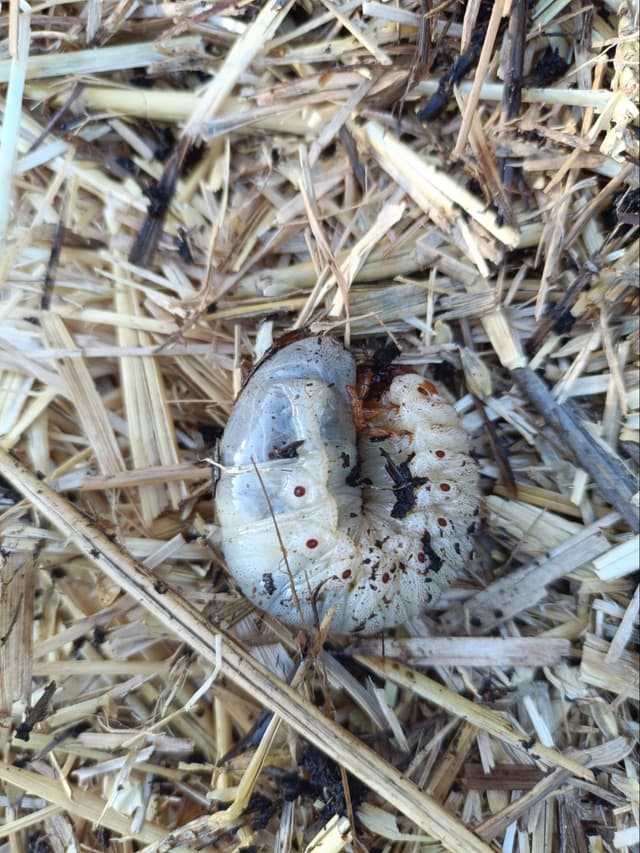
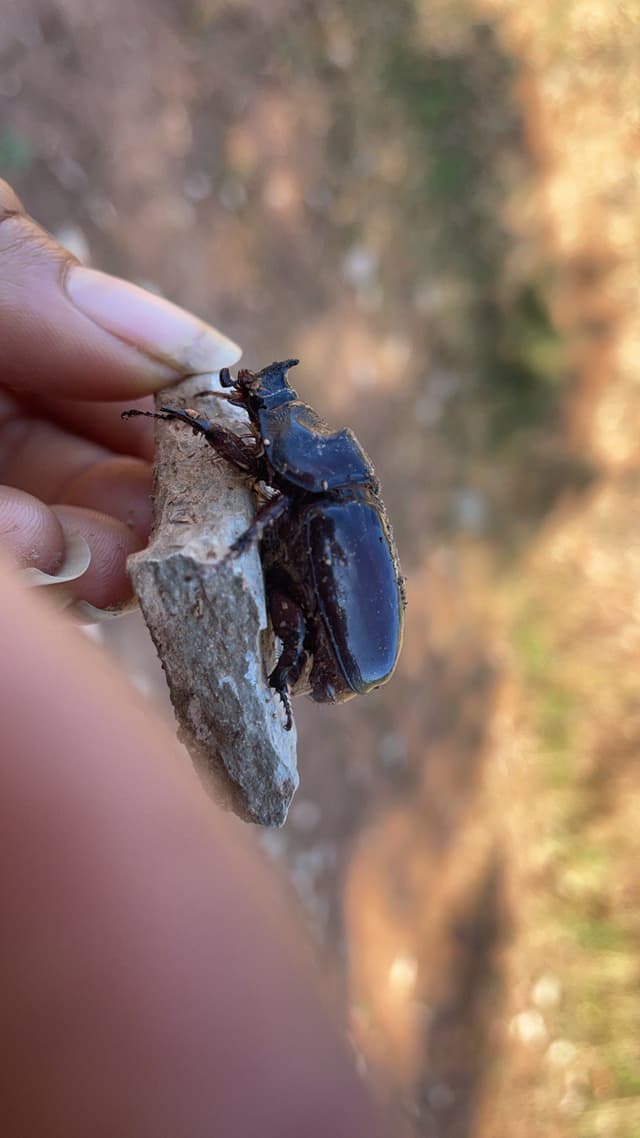
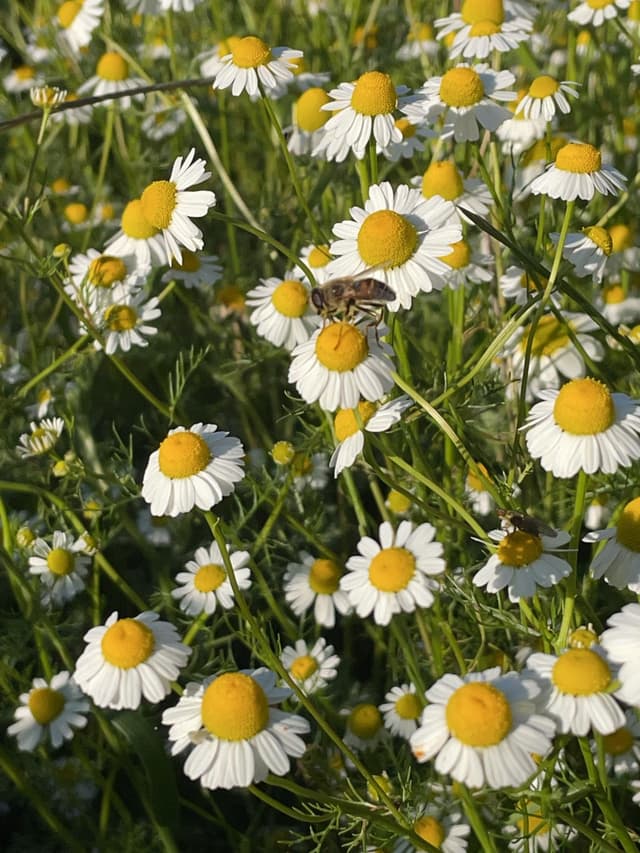
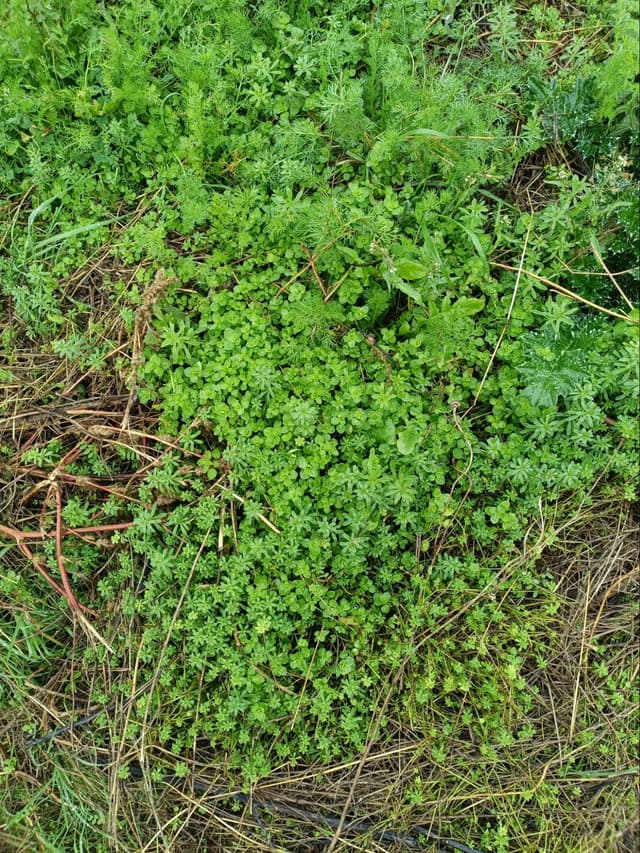
This year revealed clear patterns.
Layered vegetation supported olive trees. Groundcover strengthened soil structure. Ant activity increased aeration and seed movement. Areas opened by wild boar allowed plant life to establish quickly.
When flowers bloomed, the land buzzed continuously. Tall grasses revealed animal resting places during early morning walks.
The land communicated through growth, sound, and movement.
A Living Process
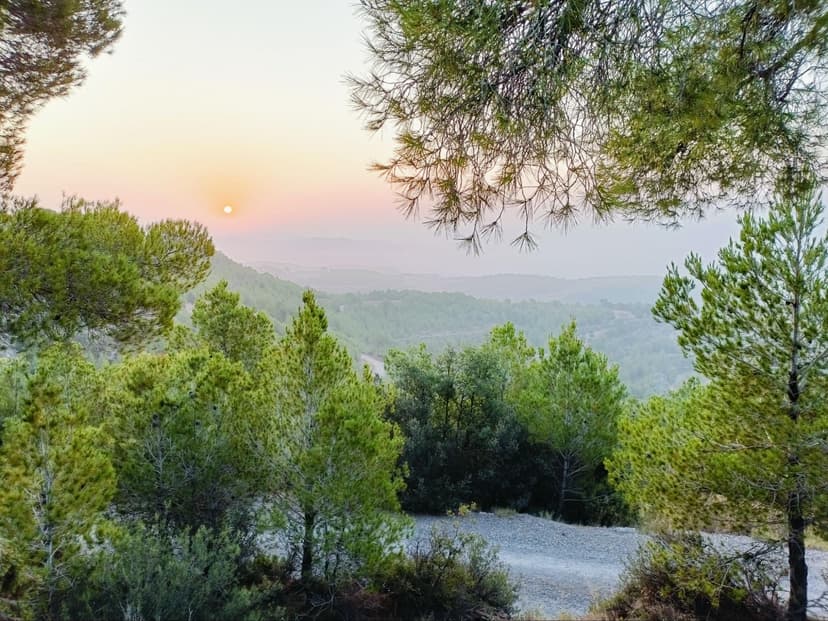
Your support sustains an unfolding system.
Soil builds over time. Biodiversity responds when space is created. Trees thrive with care that respects timing. Agriculture becomes collaboration rather than extraction.
Each adopted tree actively supports this living process, season after season.
Adopt a tree and grow with the land.
Adopt a tree